The Future of Telecommunications: Trends Shaping the Industry
Introduction
The telecommunications industry is at the forefront of technological innovation, driving changes that are reshaping how we communicate. As we look to the future, several key trends are emerging, promising to redefine the landscape in unprecedented ways.

5G and Beyond
5G technology is not just an upgrade from 4G; it's a transformative leap forward. With faster speeds, lower latency, and the ability to connect more devices simultaneously, 5G is set to revolutionize everything from mobile internet usage to the Internet of Things (IoT). The rollout of 5G is paving the way for smarter cities and more efficient industries.
Looking beyond 5G, there are already discussions about 6G, which is expected to offer even more remarkable capabilities. Although it might seem distant, the groundwork is being laid now, focusing on advancements in speed, connectivity, and energy efficiency.
Internet of Things (IoT)
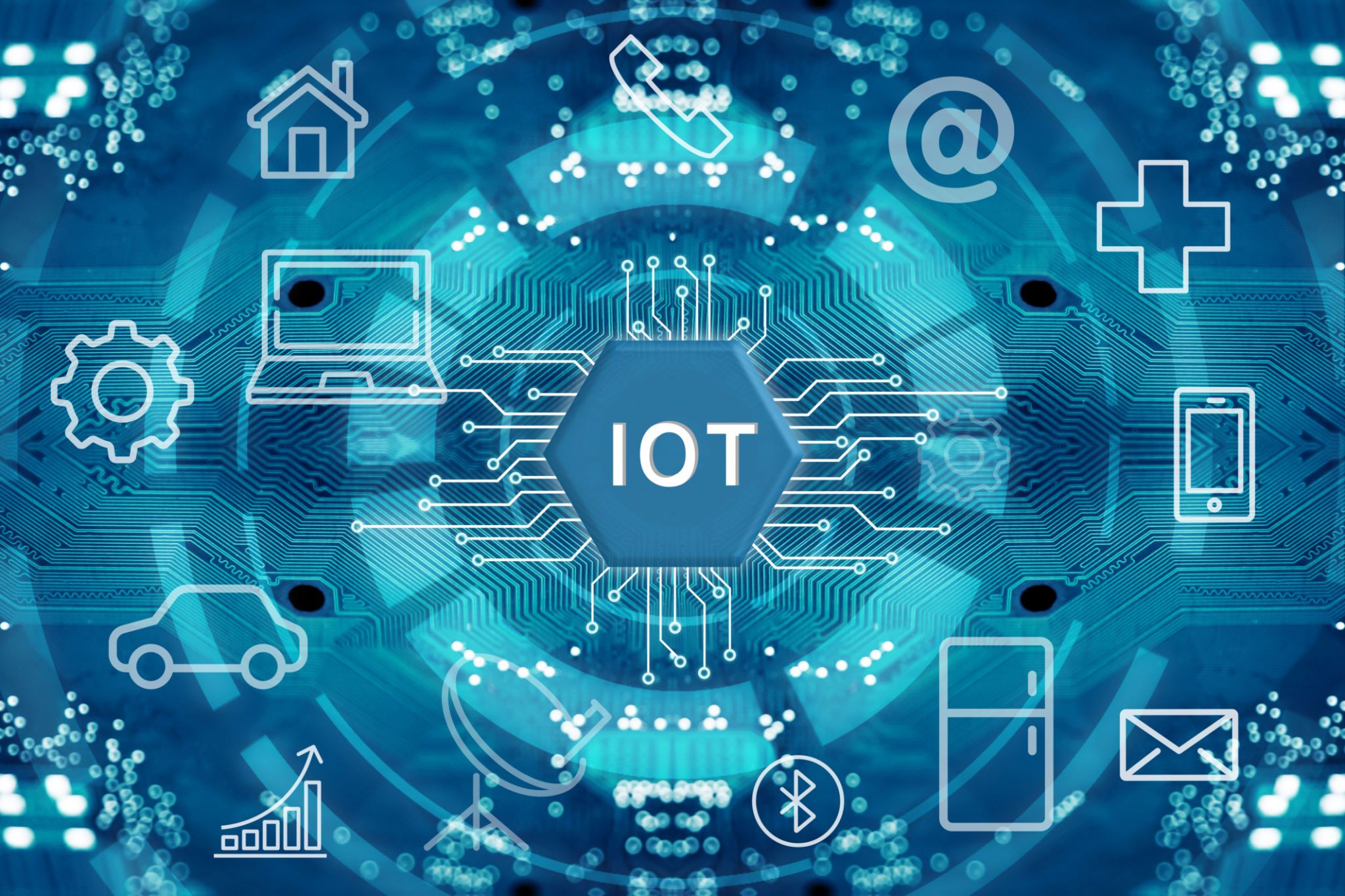
The IoT is becoming an integral part of telecommunications, providing the infrastructure for connected devices. This trend is not only about connecting devices but also about creating intelligent systems that can process data and make autonomous decisions. The implications for industries such as healthcare, transportation, and agriculture are profound.
Impact on Daily Life
As IoT grows, everyday life will become more interconnected. From smart homes to wearable technology, the convenience and efficiency offered by IoT-enabled devices will be significant. The ability to control and monitor various aspects of daily life through a smartphone or other connected devices is no longer a futuristic concept but a present reality.
Artificial Intelligence and Automation
Artificial Intelligence (AI) is playing an increasingly crucial role in telecommunications. From enhancing customer service through AI-powered chatbots to optimizing network performance, AI is driving efficiency and innovation. The integration of AI in telecom networks allows for predictive maintenance and better resource management.

Automation is another key trend, enabling telecom companies to streamline operations. This not only reduces costs but also improves service quality and reliability. Automation, coupled with AI, is accelerating the deployment of new technologies and services.
Security Challenges
With the expansion of telecommunications technologies, security is a growing concern. Protecting data and ensuring privacy are paramount as more devices become connected. Cybersecurity measures are evolving to address these challenges, focusing on safeguarding networks from increasingly sophisticated threats.
Building Trust
Telecom companies are investing in robust security solutions to build trust with consumers. This includes implementing end-to-end encryption, enhancing identity verification processes, and ensuring compliance with global data protection regulations.

Conclusion
The future of telecommunications is filled with exciting possibilities. As these trends continue to evolve, they will offer new opportunities and challenges. Staying ahead requires embracing innovation, prioritizing security, and continuously adapting to the dynamic landscape. The next decade promises to be a transformative era for telecommunications, shaping how we connect and interact with the world.