Seasonal Telecom Strategy: Preparing Your Business for Peak Periods
Understanding Seasonal Telecom Demands
Every telecom business experiences fluctuations in demand throughout the year. These variations often align with specific seasonal events or holiday periods. Understanding these patterns is crucial to preparing your business for peak periods. It allows you to optimize resources and ensure seamless service delivery.
Identifying these peak periods requires analyzing historical data and identifying trends. For instance, the holiday season typically sees an increase in communication needs as people connect with loved ones. Businesses must be ready to handle this surge effectively.
Strategic Planning for Peak Periods
Once you've identified your peak periods, the next step is to develop a strategic plan tailored to these demands. This involves assessing your current infrastructure to ensure it can handle increased traffic without compromising service quality.
Consider implementing scalable solutions that allow your network to expand as needed. Cloud-based technologies, for example, offer flexibility and can help manage increased loads during high-demand times.
Resource Allocation and Staffing
Proper resource allocation is key to handling peak periods efficiently. Evaluate your staffing needs and ensure you have enough personnel to manage customer inquiries and technical issues. This might involve hiring temporary staff or offering overtime to current employees.

Enhancing Customer Experience
The customer experience should be at the forefront of your seasonal strategy. During peak periods, customers expect quick resolutions and reliable service. Investing in customer support training and tools can significantly enhance satisfaction levels.
Utilize technology such as AI-driven chatbots to handle simple queries, freeing up your human resources for more complex issues. This ensures faster response times and higher customer satisfaction.
Communication and Transparency
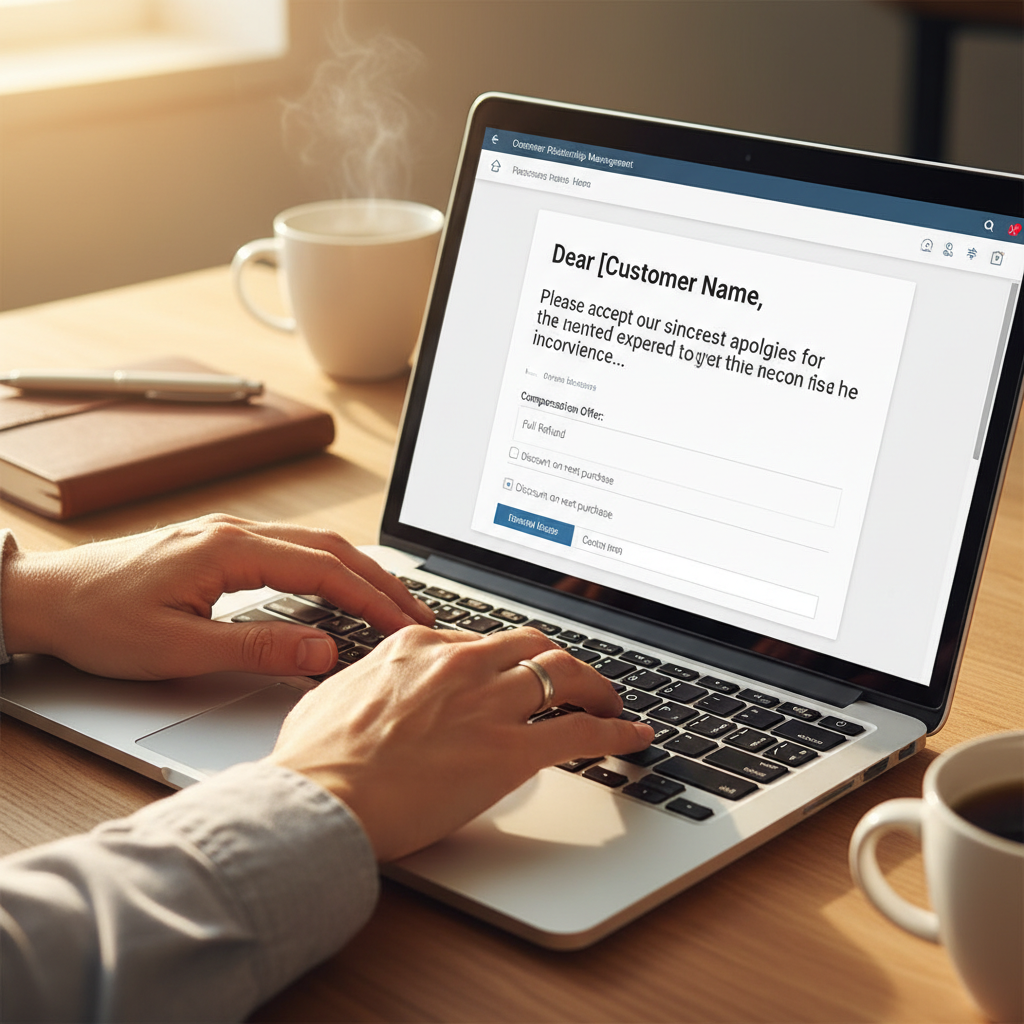
Being transparent with your customers about potential delays or issues can build trust. Clear communication through multiple channels—such as email, social media, and your website—keeps customers informed and reduces frustration.
Leveraging Data and Analytics
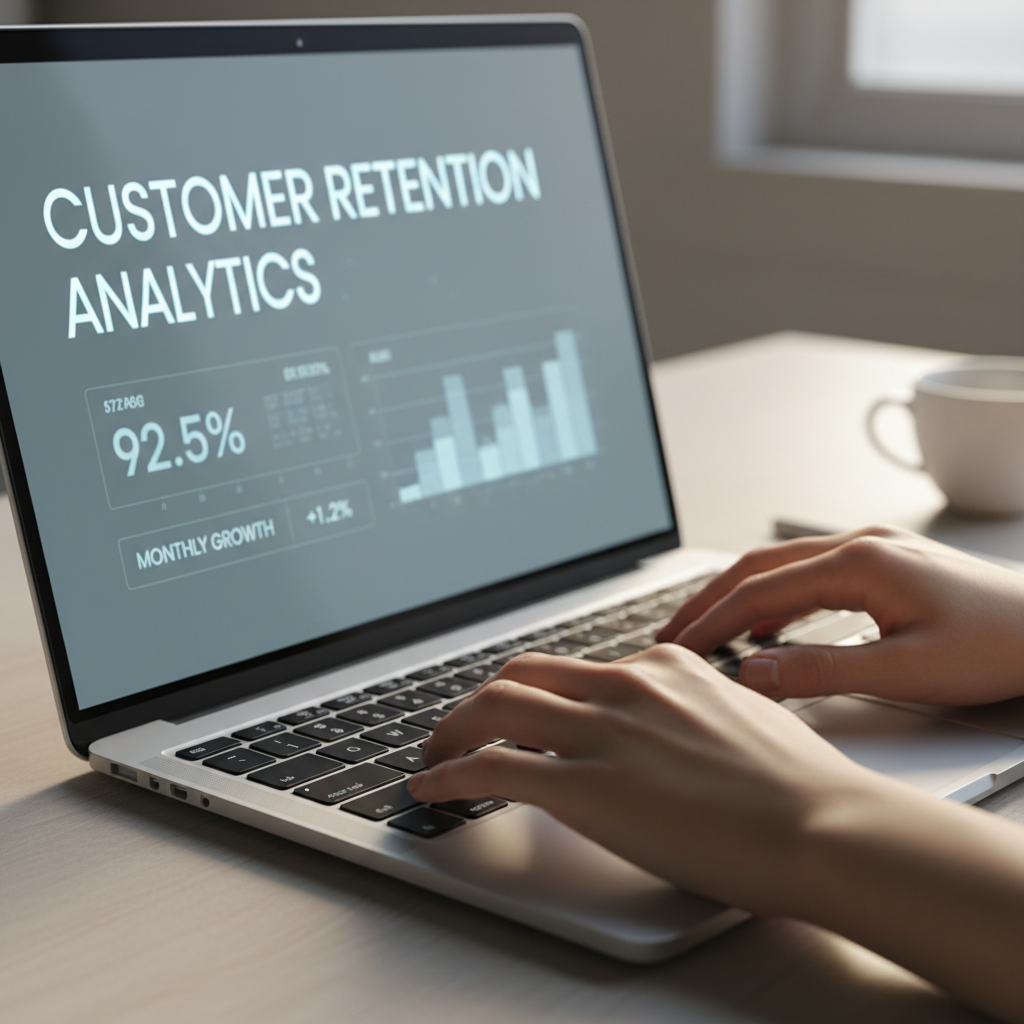
Data analytics play a vital role in preparing for peak periods. By analyzing customer behavior and network performance, you can make informed decisions to optimize your strategy. Predictive analytics can help forecast demand, allowing you to prepare in advance.
Regularly reviewing these analytics ensures that your strategies remain effective and can be adjusted as needed. This proactive approach can lead to improved service delivery and customer satisfaction.
Post-Peak Evaluation
After the peak period, conducting a thorough evaluation is essential. Analyze what worked well and identify areas for improvement. This reflection allows you to refine your strategies for future peak periods.
Gather feedback from both customers and employees to gain insights into their experiences. This information is invaluable for developing more effective strategies moving forward.